
Website development packages in India offer an excellent balance of quality and affordability, making them a smart investment for businesses worldwide. Outsourcing website development to India helps reduce overall development costs without compromising on design, functionality, or performance.
Our development approach focuses on proven practices and modern web standards to build websites that are reliable, scalable, and user-friendly. Instead of unnecessary experimentation, we prioritize efficient development methods that save both time and cost. In addition, affordable website maintenance packages are available to help businesses manage and update their websites easily, ensuring smooth performance with minimal ongoing investment.
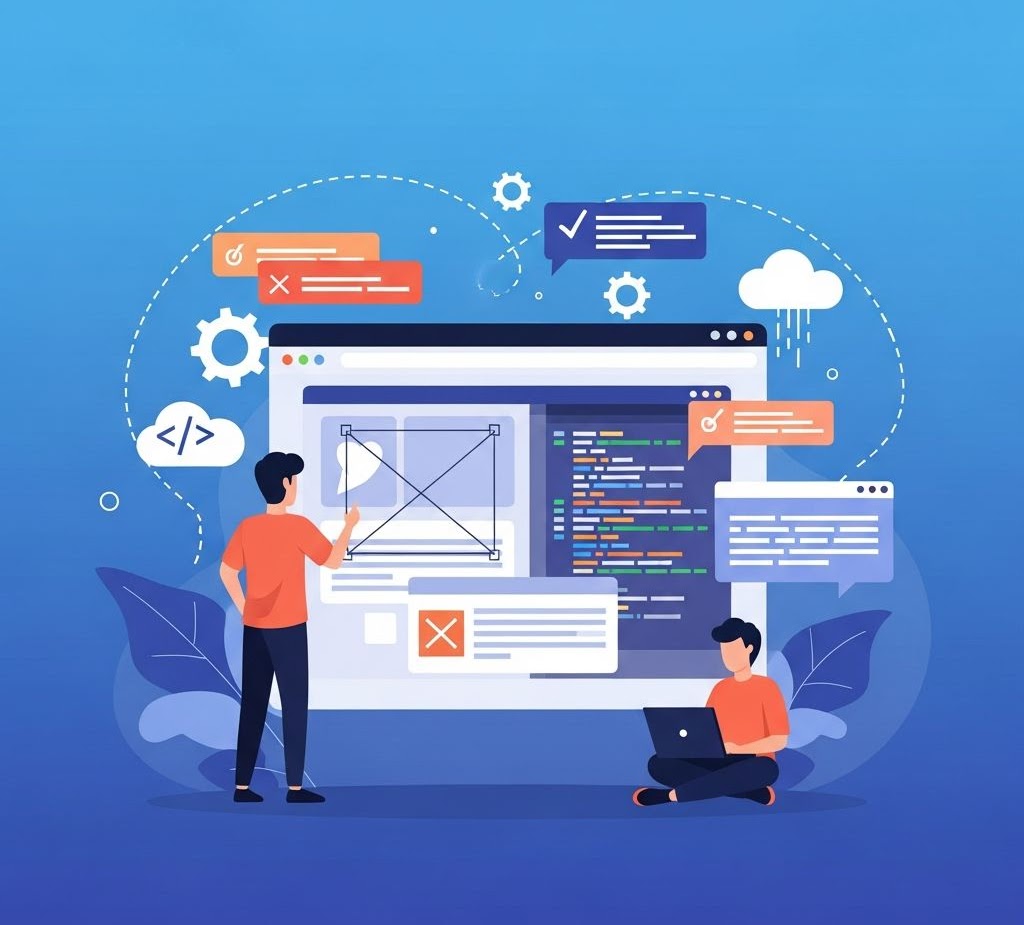
Our website development packages are designed to deliver high quality at a reasonable cost by using smart processes and efficient resources. We collaborate with reliable technology and hosting providers to optimize infrastructure costs, allowing us to offer flexible hosting options that suit different business needs and performance requirements.
Another key reason our packages remain affordable is our streamlined development process. Our experienced web developers take the time to understand your requirements clearly from the start, reducing revisions and unnecessary delays. By working efficiently and professionally, we save valuable time — one of the most important factors in website development — which directly helps lower costs without compromising on quality.
Hope you have seen a lot of good things about RankON Technologies. Now, it’s time to talk with a real person about your project. So, don’t delay!
Hope you have seen a lot of good things about RankON Technologies. Now, it’s time to talk with a real person about your project. So, don’t delay!



Amazing Service! They are very helpful & mindblowing to get services. Providing comprehensive care and creativity for customer satisfaction.

Amazing Service! They are very helpful & mindblowing to get services. Providing comprehensive care and creativity for customer satisfaction.
Amazing Service! They are very helpful & mindblowing to get services. Providing comprehensive care and creativity for customer satisfaction.